

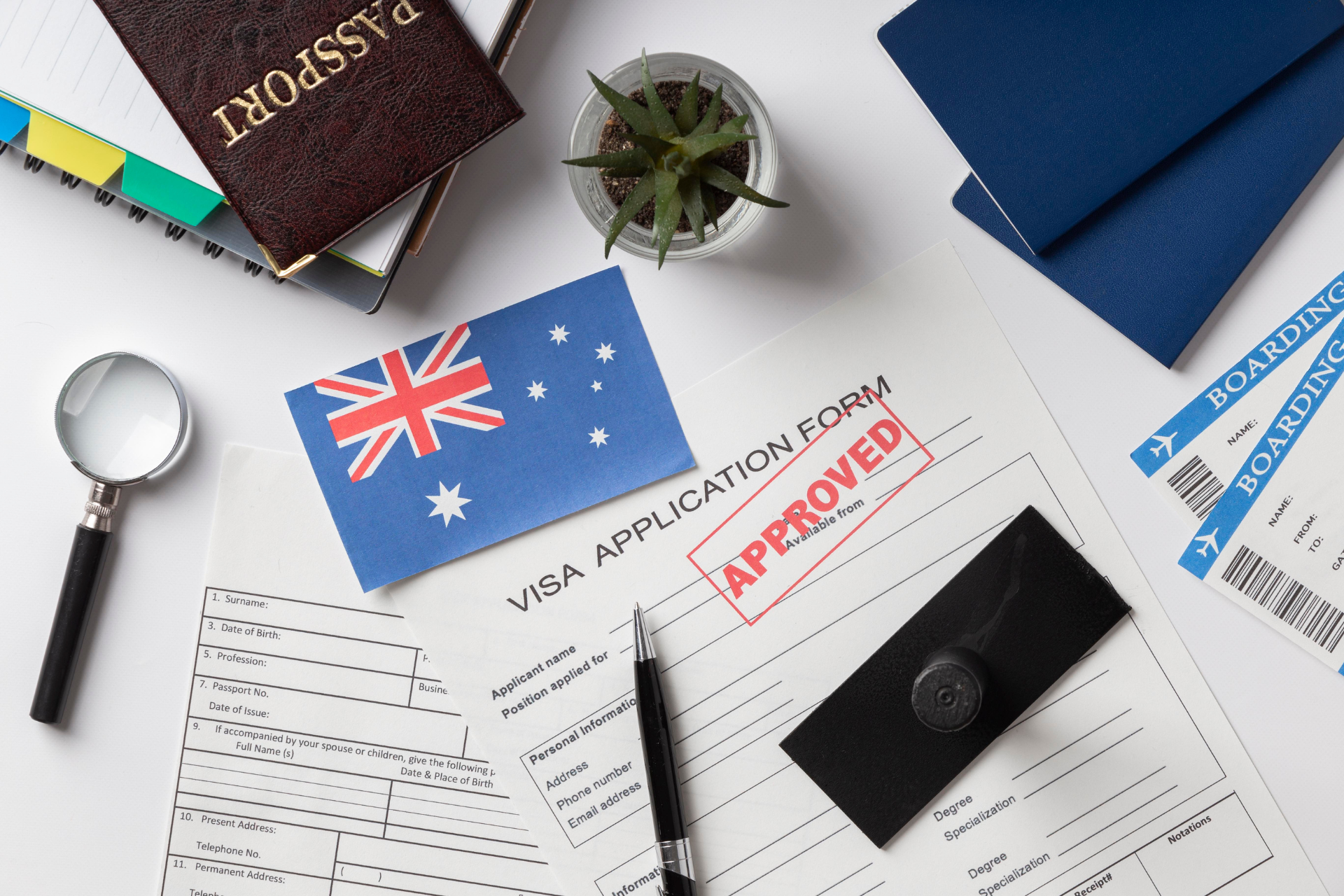
For international students in Australia, the Temporary Graduate (Subclass 485) visa has long been a key stepping stone. It offers the chance to stay back, gain work experience, and potentially move closer to permanent residency. In many ways, it’s the bridge between studying and building a career in Australia.
However, in 2026, that bridge is getting more expensive. With the Australian government planning to increase the 485 visa application fees, many students are now rethinking their post-study plans. The big question is, will this change affect your next move, or is it just another cost to factor in?
Table of Contents
What Is the Temporary Graduate (Subclass 485) Visa and Why Is It Important?
The Subclass 485 visa is designed for international students who have recently graduated from an Australian institution. It allows them to live, work, and gain valuable professional experience in the country after completing their studies.
This visa is particularly important because it gives graduates time to transition from education to employment, which is often essential for long-term migration goals.
Here’s why the 485 visa plays a crucial role:
- Provides full work rights after graduation
- Helps gain Australian work experience
- Acts as a pathway towards skilled migration or PR
- Allows time to improve skills, English proficiency, and employability
For many students, this visa is not just an option; it’s a critical part of their long-term plan in Australia.
Check the New 485 Visa Costs for Your Profile
We connect you with trusted Australia migration experts — from eligibility check to visa approval.
What Changes Are Being Made to the 485 Visa Fees in 2026?
In 2026, the Australian government is increasing the application fees for the 485 visa, making it more expensive than in previous years. While exact figures may vary depending on updates and individual circumstances, the increase is expected to be noticeable.
Also Read: Can You Bring Your Parents to Australia Without PR in 2026?
Applicants should be prepared for:
- A higher base application fee compared to previous years
- Additional costs for dependents (if included)
- Extra expenses such as health checks, biometrics, and documentation
Compared to earlier costs, this change represents a significant jump, especially for students who are already managing tuition fees, living expenses, and other visa-related costs.
Why Is Australia Increasing the 485 Visa Application Fees?
The fee hike is part of broader immigration and policy adjustments aimed at managing migration more effectively and sustainably.
While it may feel like an added burden for students, the government’s reasoning is tied to multiple factors.
Possible reasons behind the increase include:
- Covering administrative and processing costs
- Aligning visa fees with economic and policy priorities
- Managing the volume of temporary migrants
- Encouraging applicants to make well-planned migration decisions
In simple terms, Australia is trying to balance opportunity with control, ensuring that visa programs remain valuable but also sustainable.
How Will the Fee Hike Impact International Students’ Plans?
The increased cost is likely to influence how students approach their post-study options. For some, it may simply mean adjusting their budget. For others, it could change their entire plan.
Here’s how the impact might look:
- Students may delay applying due to financial constraints
- Some may reconsider staying in Australia after graduation
- Increased pressure to secure a job quickly after studies
- Greater focus on cost-benefit analysis before applying
For students already facing financial pressure, the higher fee could become a deciding factor in whether they continue their journey in Australia or explore other options.
Are There Any Alternatives to the 485 Visa for Graduates?
If the 485 visa becomes less affordable, there are still other pathways that graduates can consider, although each comes with its own requirements and limitations.
Some alternatives include:
- Employer-sponsored visas (if you secure a job offer)
- Skilled migration pathways based on occupation lists
- Further study options to extend your stay
- Regional visa options with state nomination opportunities
However, it’s important to note that none of these options offers the same flexibility as the 485 visa, especially when it comes to open work rights.
How Can You Plan Financially for the 485 Visa in 2026?
With rising costs, financial planning becomes essential. Applying without preparation could lead to unnecessary stress or delays.
Also Read: Is Employer Sponsorship the Easiest Way to Get a Job in Queensland in 2026?
Here’s how you can stay ahead:
- Start saving early during your studies
- Research the latest visa fees and associated costs
- Avoid last-minute applications, plan your timeline carefully
- Budget for additional expenses beyond the visa fee
- Explore part-time work opportunities to build savings
Being proactive can make a significant difference. The earlier you prepare, the easier it becomes to manage the financial impact.
Final Thoughts
The 485 visa fee hike in 2026 is definitely something international students cannot ignore. While the visa remains a valuable pathway for gaining experience and building a future in Australia, the increased cost adds a new layer of decision-making.
For many, it won’t be a dealbreaker, but it will require smarter planning and clearer goals. If you see long-term value in staying and working in Australia, the investment may still be worth it.
The key is to stay informed, plan, and make decisions based on both your career goals and financial reality.
Reference; https://pathwaytoaus.com/general/australia-migration-update-march-2026/

Written by
Founder and Editor, Aussie Migration Guide
Karan Rawat is the Founder and Editor of Aussie Migration Guide. With nearly 4 years of experience in SEO and digital content, including work with Australian migration law clients, he specialises in turning complex Australian visa rules, fees and eligibility criteria into clear, practical guides. Every article is checked against current official sources such as the Department of Home Affairs before it goes live. Karan is not a registered migration agent, and the content on this site is general information, not migration advice.