

Australia’s energy sector is undergoing a major transformation, and with it comes a growing demand for skilled workers. As the country shifts toward renewable energy and expands its infrastructure, the need for qualified professionals has surged. This has created a significant opportunity for migrants looking to build a career in Australia.
In 2026, the sector is facing a workforce shortage estimated at around 42,000 jobs. This gap is not just a temporary issue but a reflection of long-term changes in how Australia produces and manages energy. For migrants, this means more job openings, better career prospects, and stronger pathways into the country.
If you are considering moving to Australia for work, the energy sector could be one of the most promising options available. This guide explains where the opportunities are, what skills are needed, and how you can position yourself to take advantage of this growing demand.
Table of Contents
Why Australia’s Energy Sector Is Facing a Major Workforce Shortage
Australia’s energy sector is expanding rapidly, but the workforce has not kept pace with demand. The estimated shortfall of 42,000 workers highlights the scale of the challenge facing the industry.
Several factors are driving this shortage. The transition from traditional energy sources to renewable systems requires new skills and expertise. At the same time, large infrastructure projects are being developed across the country, increasing the need for labour.
Key reasons behind the shortage include:
- Rapid growth in renewable energy projects
- Retirement of experienced workers in traditional energy sectors
- Increased demand for infrastructure development
- Limited availability of locally trained professionals
This combination has created a gap that cannot be filled by the domestic workforce alone, opening the door for skilled migrants.
Find Out Where You Fit in This Growing Sector
We connect you with trusted Australia migration experts — from eligibility check to visa approval.
Which Roles Are Most in Demand in the Energy Industry
The demand in the energy sector is not limited to a single job type. It spans a wide range of roles, from highly specialised engineering positions to hands-on technical and trade work.
Some of the most in-demand roles include:
- Electrical and mechanical engineers
- Renewable energy specialists
- Technicians and maintenance workers
- Electricians and other skilled trades
- Project managers for energy infrastructure
These roles are essential for building, operating, and maintaining energy systems across Australia. Many of them are also listed on skilled occupation lists, making them relevant for migration pathways.
Also Read: What Is the 191 Visa and How Can It Lead to PR in Australia?
Having experience in one of these roles can significantly improve your chances of finding employment and securing a visa.
How Renewable Energy Growth Is Creating New Opportunities
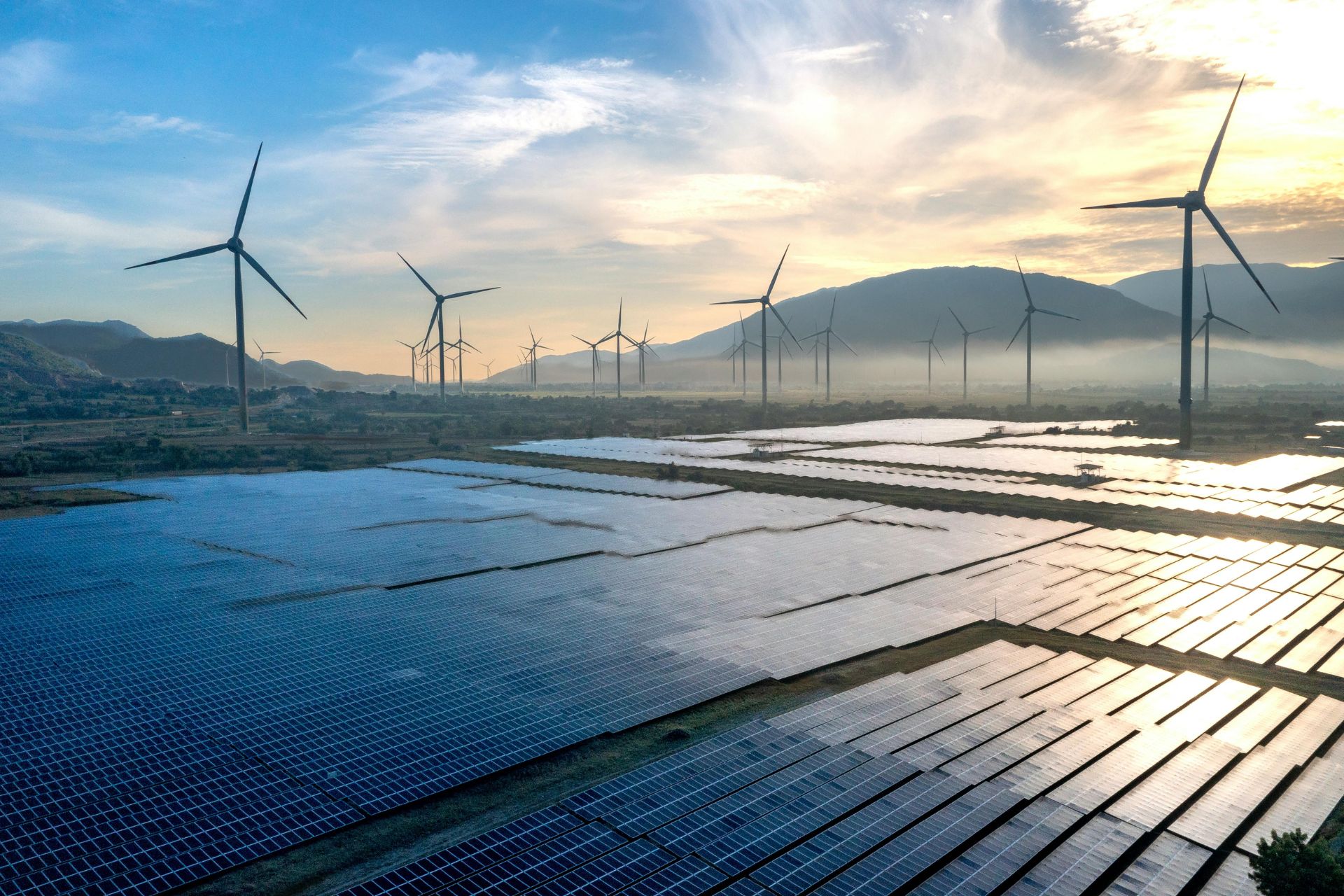
One of the biggest drivers of job creation in Australia’s energy sector is the shift toward renewable energy. Solar, wind, and other clean energy projects are being developed at a rapid pace.
This transition is not just changing how energy is produced but also creating entirely new types of jobs. Workers are needed to design, install, and maintain renewable systems, as well as manage large-scale projects.
The growth of renewable energy is leading to:
- Increased demand for specialised technical skills
- New roles in project planning and development
- Expansion of regional job opportunities
- Long-term employment prospects in a growing industry
For migrants, this means entering a sector that is not only in demand now but is expected to grow for years to come.
Why Migrants Are Important to Filling These Skill Gaps
Australia’s local workforce alone cannot meet the current demand in the energy sector. This is why migrants are playing an increasingly important role in filling critical skill gaps.
Skilled migrants bring valuable experience, qualifications, and international perspectives. They help companies complete projects on time and maintain essential services.
Migrants are particularly important because:
- They can fill roles that remain vacant for long periods
- They bring specialised skills that may not be widely available locally
- They support economic growth and infrastructure development
Employers are actively looking beyond Australia to find the talent they need. This creates a strong opportunity for migrants with the right skills and experience.
What Skills and Qualifications Are Required for Energy Jobs
To succeed in Australia’s energy sector, you need the right combination of qualifications and practical skills. Requirements can vary depending on the role, but there are some common expectations across the industry.
Employers typically look for:
- Relevant technical qualifications or degrees
- Industry certifications or licences
- Work experience in energy, construction, or engineering
- Strong understanding of safety standards and regulations
- Good English communication skills
Also Read; How Do New Skilled Visa Priorities Affect Your Australia Migration Plans?
For trade roles, having recognised certifications is essential. Engineers and technical professionals may also need to complete skills assessments as part of the visa process.
Preparing these qualifications in advance can make your job search and migration process much smoother.
How Migrants Can Apply for Jobs in Australia’s Energy Sector
Finding a job in Australia’s energy sector requires a strategic approach. It is not just about applying for roles but also aligning your profile with visa requirements and employer expectations.
Here are practical steps to get started:
- Research in-demand occupations and job opportunities
- Prepare a professional CV tailored to Australian standards
- Apply through job portals and company websites
- Connect with recruiters and industry networks
- Explore visa options such as skilled migration or employer sponsorship
It is also important to understand visa pathways. Skilled visas may be suitable for independent applicants, while employer-sponsored visas can provide a direct route if you secure a job offer.
Planning both your job search and visa application together can improve your chances of success.
Ending
Australia’s energy sector is quickly becoming one of the most promising areas for migrant workers in 2026. With a significant workforce shortage and ongoing investment in renewable energy, the demand for skilled professionals is only expected to grow.
For migrants, this presents a valuable opportunity. The combination of strong job demand, competitive salaries, and clear migration pathways makes the energy sector an attractive option for long-term career growth.
The key takeaway is to act strategically. Identify where your skills fit, prepare your qualifications, and align your migration plan with industry demand. By doing so, you can take advantage of one of Australia’s fastest-growing sectors and build a stable future in the country.

Written by
Founder and Editor, Aussie Migration Guide
Karan Rawat is the Founder and Editor of Aussie Migration Guide. With nearly 4 years of experience in SEO and digital content, including work with Australian migration law clients, he specialises in turning complex Australian visa rules, fees and eligibility criteria into clear, practical guides. Every article is checked against current official sources such as the Department of Home Affairs before it goes live. Karan is not a registered migration agent, and the content on this site is general information, not migration advice.