
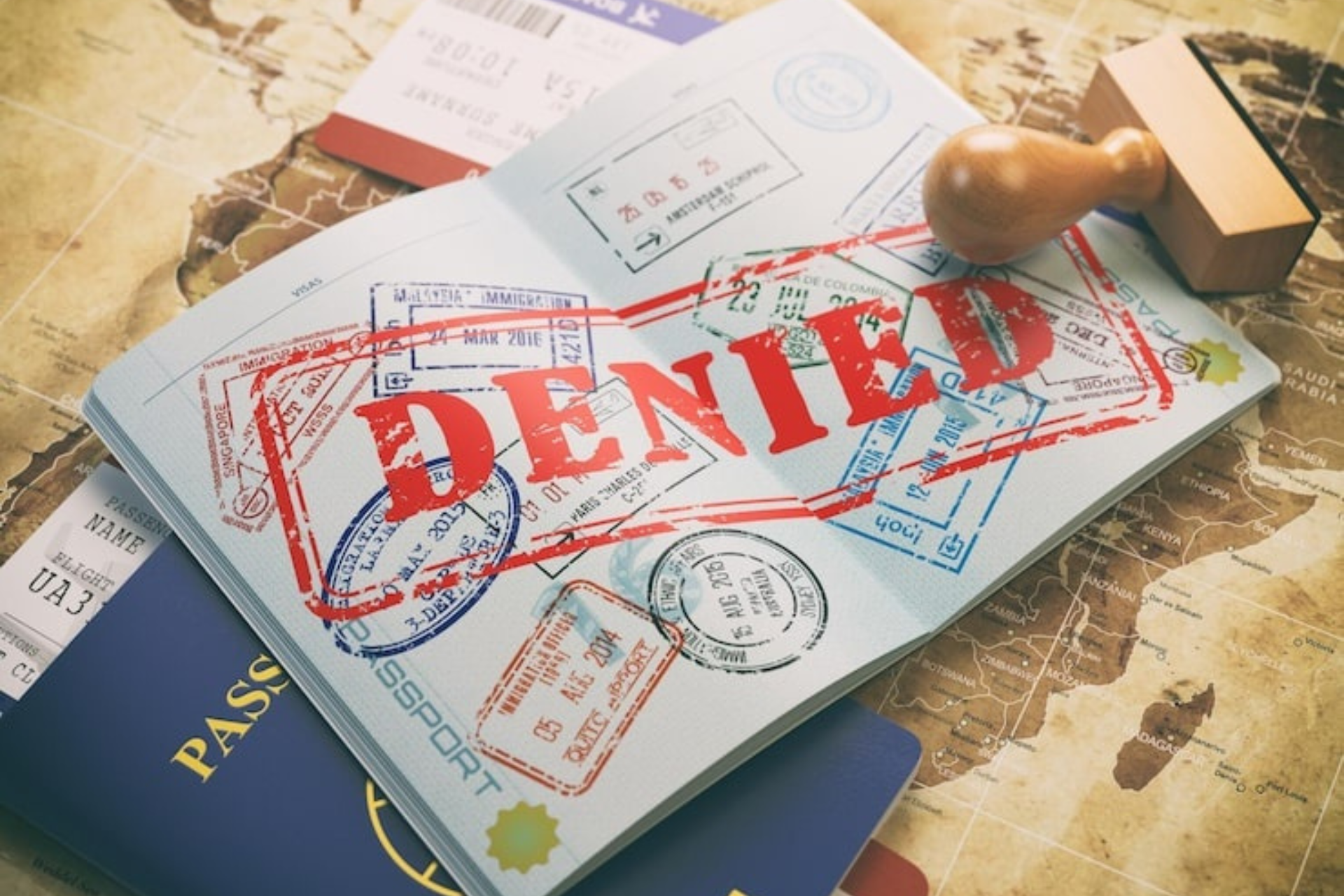
A visa refusal can feel like a major setback, especially after spending time, money, and effort on your application. Whether you applied for a student visa, work visa, or permanent residency, receiving a refusal letter can be frustrating and confusing.
But here is the important part. A refusal does not always mean the end of your journey. In 2026, Australia’s immigration system still provides options for applicants to challenge decisions, fix mistakes, or explore alternative pathways. The key is understanding what went wrong and acting quickly with a clear plan.
Table of Contents
Why Do Australian Visa Applications Get Refused?
Visa refusals usually happen when an application does not meet specific requirements set by immigration authorities. In many cases, the issue is not a single mistake but a combination of small gaps that weaken the overall application.
Understanding the reason behind your refusal is the first step toward fixing it.
Common reasons for visa refusal include:
- Submitting incomplete or incorrect documents
- Not meeting the eligibility criteria for the visa
- Insufficient proof of financial capacity
- Failure to demonstrate genuine intent, especially for student visas
- Not meeting health or character requirements
- Providing inconsistent or misleading information
Sometimes applicants assume they meet all requirements but fail to present strong supporting evidence. This is why attention to detail is critical when applying.
Check Your Options After a Visa Refusal
We connect you with trusted Australia migration experts — from eligibility check to visa approval.
Can You Appeal a Visa Refusal in Australia?
In certain cases, yes, you can appeal a visa refusal. This depends on the type of visa you applied for and whether your application qualifies for review.
Appeals are handled by the Administrative Appeals Tribunal, commonly known as the AAT. This body independently reviews decisions made by immigration authorities.
Important points to understand:
- Not all visa refusals are eligible for appeal
- You must apply within a strict deadline
- The AAT reviews whether the original decision was correct
- You may have the chance to provide new evidence or clarification
An appeal gives you a second opportunity, but it requires careful preparation and a strong case.
Also Read; What Mistakes Should You Avoid After Getting a PR in Australia?
What Is the Process to Lodge a Visa Appeal?
If your visa refusal is eligible for appeal, you must follow a structured process. Missing deadlines or submitting incomplete information can lead to rejection of your appeal.
The process generally involves the following steps:
- Review your refusal letter to understand why your visa was refused
- Check if you are eligible to apply to the AAT
- Submit your appeal application within the required timeframe
- Pay the application fee for review
- Prepare and submit supporting documents and evidence
- Attend a hearing if required, where you may explain your case
Timing is critical. In many cases, you only have a limited number of days to lodge your appeal, so acting quickly is essential.
What Are Your Chances of Success in a Visa Appeal?
The success of your appeal depends largely on how well you address the reasons for refusal. Simply resubmitting the same information without improvement is unlikely to change the outcome.
A strong appeal focuses on correcting errors and providing better evidence.
Factors that influence success include:
- Clearly addressing each reason for refusal
- Providing strong and relevant supporting documents
- Demonstrating that you now meet all visa requirements
- Maintaining consistency in your information and statements
- Presenting your case clearly during any hearing process
While there is no guaranteed outcome, well-prepared appeals with solid evidence have a much higher chance of success.
Are There Alternatives If You Cannot Appeal?
If your visa refusal is not eligible for appeal, you still have other options. Many applicants successfully move forward by choosing a different approach.
Alternative options include:
- Reapplying for the same visa with improved documentation
- Applying for a different visa category that better suits your profile
- Addressing previous mistakes, such as missing documents or weak evidence
- Seeking professional advice to identify a stronger pathway
Reapplying without fixing the original issues can lead to another refusal, so it is important to understand what went wrong before trying again.
Also Read: Is the Subclass 143 Visa the Fastest Way to Bring Your Parents to Australia?
How Can You Avoid Visa Refusal in the Future?
The best way to deal with a visa refusal is to prevent it from happening again. A well-prepared application significantly reduces the risk of rejection.
Here are practical steps to improve your chances:
- Double-check all documents and information before submission
- Ensure you meet all eligibility requirements for your visa
- Provide clear and strong supporting evidence
- Be honest and consistent in your application details
- Stay updated with the latest immigration rules and changes
Preparation is key. A strong application not only improves your chances of approval but also saves time and money in the long run.
Final Thoughts
A visa refusal in Australia can feel discouraging, but it is not always the end of your migration plans. In many cases, it is simply a setback that requires a better strategy and stronger preparation.
Whether you choose to appeal through the Administrative Appeals Tribunal or reapply with improved documentation, the most important step is understanding where things went wrong. Once you identify the gaps, you can take informed action to move forward.
In 2026, competition for visas remains high, which makes careful planning more important than ever. If you approach the process with clarity, accuracy, and patience, you can turn a refusal into a second chance and continue your journey toward living and working in Australia.
Reference: https://www.siecindia.com/blogs/tips-to-avoid-australia-student-visa-refusals-2026

Written by
Founder and Editor, Aussie Migration Guide
Karan Rawat is the Founder and Editor of Aussie Migration Guide. With nearly 4 years of experience in SEO and digital content, including work with Australian migration law clients, he specialises in turning complex Australian visa rules, fees and eligibility criteria into clear, practical guides. Every article is checked against current official sources such as the Department of Home Affairs before it goes live. Karan is not a registered migration agent, and the content on this site is general information, not migration advice.